
Table of Contents
- How to Check if an Online Car Auction Is Legit
- Auto Auction Scams and Red Flags to Avoid
- What to Check Before Buying a Car at Auction
- Frequently Asked Questions
Last Updated: October 21, 2026
How to Check if an Online Car Auction Is Legit
To verify legitimate auto auctions, start with basic research: check who runs the site and whether they’re licensed to operate.
Look up the company’s business registration on the state’s Secretary of State website or DMV; most states require auction operators to hold specific licenses, and a legitimate platform displays clear licensing information.
Examine the site for a physical address and phone number, clear ownership information, a transparent fee structure, and professional design with no obvious red flags.
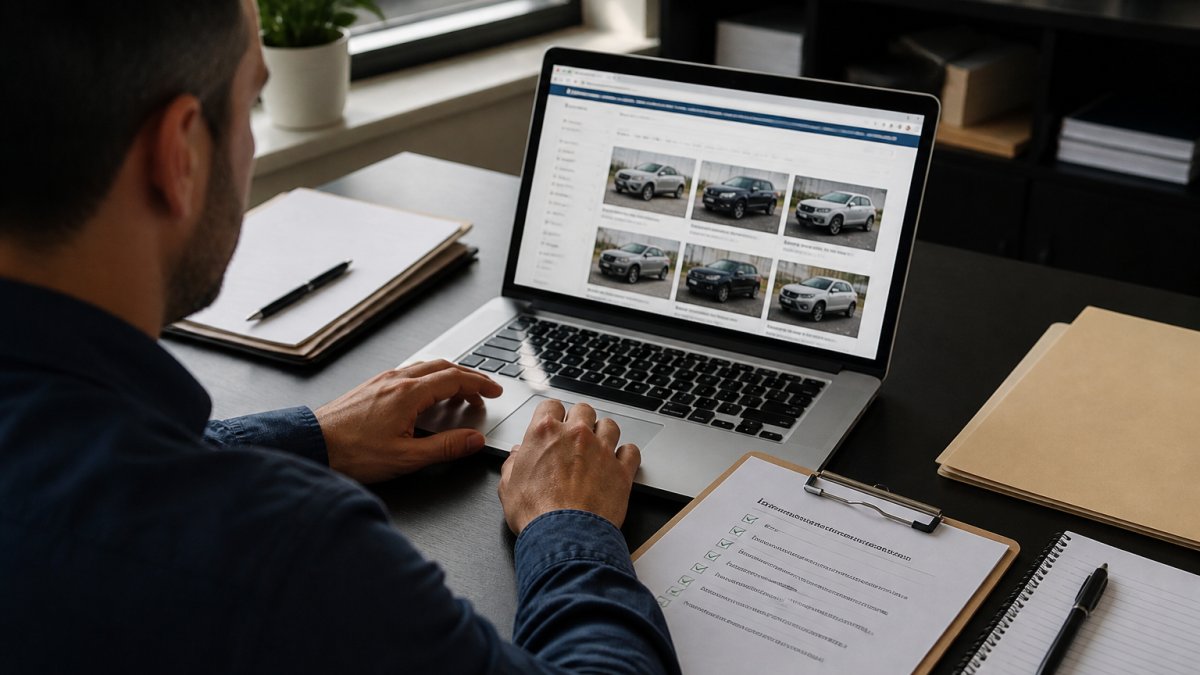
Check how long the company has been in business and search reviews and complaints; the Better Business Bureau can show patterns of problems.
Ask whether the platform helps verify legitimate auto auctions by verifying sellers before listing vehicles; legitimate operations verify dealers and private sellers and can identify the seller.
Auto Auction Scams and Red Flags to Avoid
Common scams target buyers who don’t verify information before sending money. Watch for these warning signs.
Suspicious listing details include: copied or unusually professional photos, prices far below market value, vague condition descriptions, pressure to bid quickly, and requests for wire transfers, gift cards, or cryptocurrency.
Misspellings and grammatical errors suggest a scam; professional platforms catch these before posting.
Watch for sellers who claim the vehicle is at a location you can’t visit; legitimate auctions allow physical inspections or explain why not, while scammers use distance to avoid letting you see the car.
Be wary of deposits demanded before inspection; some legitimate auctions require them, but they should be refundable if the vehicle doesn’t match the listing, so read the terms carefully.
What to Check Before Buying a Car at Auction
Verify the vehicle itself before committing: check the VIN and title status to confirm what you’re buying.
Run a VIN lookup through the National Highway Traffic Safety Administration or a commercial service to reveal accidents, title status, and ownership records. A clean title means no outstanding loans or liens; a salvage title means an insurer declared the vehicle a total loss.
Review the listing for damage disclosures; legitimate platforms require sellers to disclose known damage, and damage visible in photos but absent from the description is a red flag.
Request a pre-bid inspection if offered; some auctions include it, others charge a fee, but it’s worth doing for higher-priced vehicles.
Check the title and documentation carefully: verify the VIN matches across all documents and the seller’s name appears on the title, since mismatches can create registration problems.
Understand all fees before bidding, auction fees, buyer premiums, and title transfer fees add up, and calculate the total cost, not just the winning bid. At YOUR AUTO DEALERSHIP LLC, we help members understand the real numbers before they commit to a purchase, members keep 100% of profits after legitimate auction costs.
Compare your total cost to current market value using Kelley Blue Book or NADA Guides; if it’s significantly higher, reconsider the bid.
Frequently Asked Questions
How can you verify whether an auction website is legitimate?
Check the auction platform’s state licensing and registration through your state’s motor vehicle dealer board. Confirm the business address, phone number, and physical location. Search for independent reviews and complaints on the Better Business Bureau and state attorney general websites. Verify that the platform displays clear terms, buyer protections, and transparent fee structures. Legitimate auctions provide detailed vehicle history reports, damage disclosures, and pre-bid inspection options.
What are common auto auction scams and red flags to watch for?
Red flags include pressure to wire deposits before inspecting the vehicle, misspellings or poor grammar throughout listings, prices far below market value, requests for payment through untraceable methods, and vague or incomplete vehicle condition reports. Suspicious listings often lack detailed photos, hide title status, or offer no pre-bid inspection. Scammers may impersonate licensed dealers or auction houses. Always verify the seller’s identity independently and never send money without confirming the vehicle’s legitimacy and the platform’s credentials first.
How do you verify if a car title is real and check the vehicle’s history?
Use the National Motor Vehicle Title Information System (NMVTIS) to check the vehicle’s title status and ownership history. Cross-reference the VIN against the title document to ensure they match exactly. Request a vehicle history report from reputable services that pull data from insurance claims, accident records, and registration history. Confirm the title type: clean, salvage, or repairable. Contact your state’s DMV directly to verify the title holder and check for liens or disputes. Legitimate auction platforms provide this documentation upfront.
Buying cars at auction can be profitable when you verify both the platform and the vehicle. Start by confirming the auction operator is licensed and has a solid reputation. Research the specific vehicle using its VIN and title history. Never rush into a bid, and always understand the total cost before committing money. Taking these steps protects you from scams and helps you make informed buying decisions.