
Table of Contents
- Step 1: Understand Wholesale Car Dealer License Requirements
- Step 2: How to Get a Wholesale Dealer License in 2026
- Step 3: Access Dealer-Only Car Auctions Without Buying a Lot
- Step 4: Master Wholesale Car Sales Paperwork and Title Transfers
- Step 5: Staying Legal: Sales Limits, Taxes, and Common Mistakes
- Step 6: Keeping 100% of Your Profits Without a Traditional Dealership
- Frequently Asked Questions
Last Updated: October 16, 2026
Step 1: Understand Wholesale Car Dealer License Requirements
Wholesale cars dealer license requirements vary by state, but nearly every state asks for the same core items: a business entity, a physical address, a surety bond, and a background check. Learning how to wholesale cars legally in 2026 starts with one hard truth: you cannot legally flip cars for profit without a license. State motor vehicle agencies treat repeated buying and selling as a regulated business, not a hobby.
This guide from YOUR AUTO DEALERSHIP LLC walks through each step. Our owners have over 15 years of experience in the auto business, providing professional guidance and mentorship.
Wholesale car dealing is the business of buying vehicles at dealer-only auctions and reselling them to other dealers or the public, usually without holding inventory on a retail lot.
State Licensing Basics and the $50,000 Bond Question
Most states require a surety bond before they issue a wholesale license. Bond amounts range widely, and some states set them as high as $50,000. The bond protects buyers if you fail to deliver a clean title.
Check your state motor vehicle agency’s dealer licensing page for the exact bond amount. Requirements change, so verify current figures there rather than trusting an old forum post.
Do You Need a Lot, or Can You Operate From Home?
Many states let licensed wholesalers work from a home office or a small storage space. Wholesale licenses often skip the lot, showroom, and signage rules that retail dealers face.
But “home-based” is not “rule-free.” You still need a real business address, and some states inspect it. Call your state agency before you sign a lease you do not need.
Step 2: How to Get a Wholesale Dealer License in 2026
Getting a wholesale dealer license in 2026 means filing an application, posting a bond, passing a background check, and paying fees. The exact order depends on your state, but the core steps rarely change.
Here is the typical path:
- Form a business entity and register it with your state
- Apply for an Employer Identification Number from the IRS
- Get a surety bond from a licensed bond company
- Submit your dealer license application with fingerprints and photos
- Pass a background check
- Pay the licensing fee and receive your dealer number
Many states also require a dealer education course. Some require a written exam. Budget time for both.
Application Timeline: What to Expect Week by Week
Most applicants finish the process in four to eight weeks, but slow states can take longer. Here is a realistic breakdown:
| Phase | Typical Duration | What Happens |
|---|---|---|
| Entity setup and EIN | 1-2 weeks | Register your LLC, get your federal tax number |
| Bond and insurance | 1 week | Buy your surety bond, add garage liability if required |
| Application and fingerprints | 1-2 weeks | File paperwork, submit prints, pay fees |
| State review | 2-4 weeks | Agency processes and approves your license |
| Auction registration | 1-2 weeks | Submit your license to auctions for approval |
Apply for your auction memberships the same week your license is approved. Auction approval is a separate review, and waiting costs you weeks of buying time.
Step 3: Access Dealer-Only Car Auctions Without Buying a Lot
Dealer-only car auctions are wholesale marketplaces where licensed dealers bid on vehicles that the public never sees. Access requires one thing: a valid dealer license. You do not need a retail lot to register.
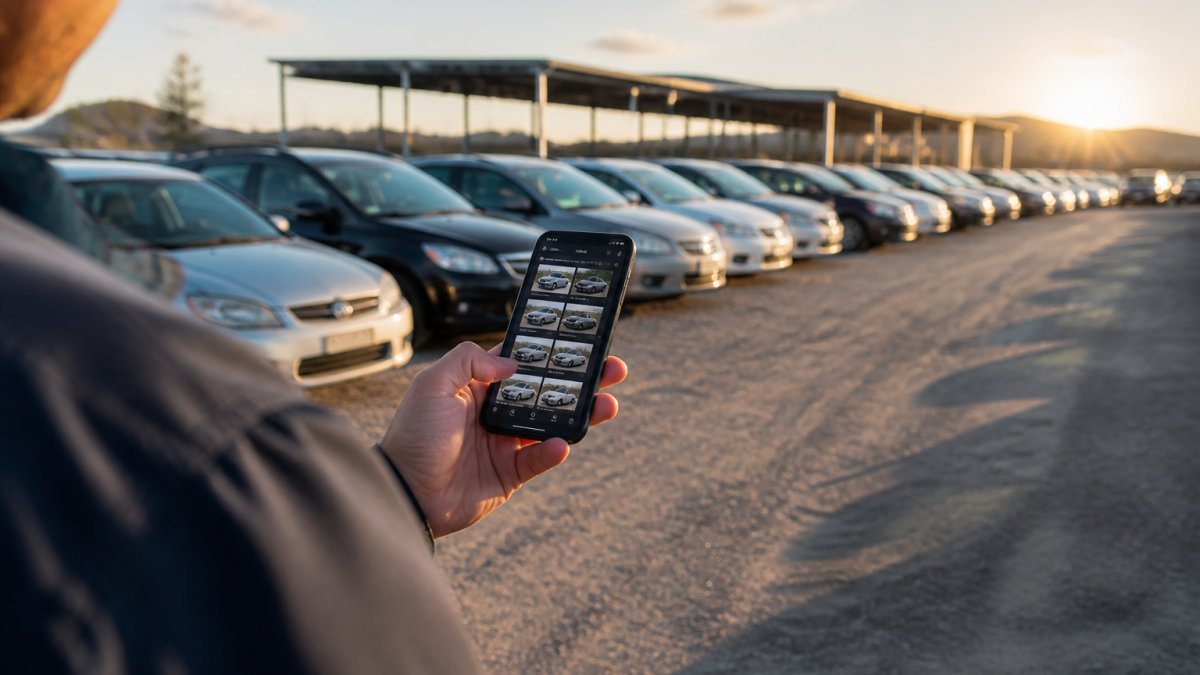
Once approved, you can bid at physical auctions and online platforms. Most charge a membership fee plus a buyer’s fee on each car. Some also require a deposit before you can bid.
The auction is where the real business happens. The license is just the key to the door.
Step 4: Master Wholesale Car Sales Paperwork and Title Transfers
Wholesale car sales paperwork comes down to two documents: a bill of sale and a properly assigned title. Get either one wrong and the deal can unravel months later.
A bill of sale is a written record of the transaction. It names the buyer, the seller, the vehicle, the price, and the date. Both parties sign it.
A title assignment transfers legal ownership. The seller signs the back of the title, and you complete the buyer section. Never leave a title blank.
Bill of Sale, Title Assignment, and the 2026 E-Title Shift
More states now issue electronic titles instead of paper ones. With an e-title, the state holds the record digitally and releases it when ownership changes.
Ask the auction how it handles e-titles before you bid. Some auctions manage the transfer for you. Others leave it to you, and that is where mistakes get expensive.
Never buy a car with a title that does not match the seller’s name. A mismatched title can block the resale and leave you holding a vehicle you cannot legally transfer.
Step 5: Staying Legal: Sales Limits, Taxes, and Common Mistakes
Staying legal as a wholesaler means tracking sales limits, paying the right taxes, and avoiding the mistakes that get licenses pulled. Some states cap how many cars you can sell before you need a full retail license. Others require a separate sales tax permit.
The most common mistakes we see:
- Skipping the license and “testing” the market first
- Using a personal bank account for dealer funds
- Failing to report wholesale sales for tax purposes
- Buying from unlicensed sellers with no paper trail
Each one carries real consequences. Fines, back taxes, and license denial are all on the table.
Step 6: Keeping 100% of Your Profits Without a Traditional Dealership
You can keep all of your profit without renting a lot, posting retail signage, or carrying full dealership overhead. The trick is structure. A licensed wholesale operation avoids most of the fixed costs that crush new retail dealers.
At YOUR AUTO DEALERSHIP LLC, our dealer member program gives members access to dealer-only auctions without the rent, bonds, and insurance that a traditional storefront demands. Members keep 100% of their profits, and our owners, with over 15 years in the industry, provide hands-on mentorship.
The costs that remain are predictable:
- License renewal fees
- Auction membership and buyer fees
- Transportation and storage
- Bond renewal
The difference between a profitable wholesaler and a broke one is not the cars. It is the overhead. Keep fixed costs near zero and your margin survives even on thin deals.
Frequently Asked Questions
Do you need a dealer license to wholesale cars?
Yes, in nearly every state you need a wholesale car dealer license to legally buy and resell vehicles at dealer-only auctions. Without it, you cannot access those auctions or issue the paperwork that transfers ownership properly. Some states allow a limited number of private sales per year, but once you cross that threshold, licensing becomes mandatory. Operating without a license can lead to fines and civil penalties.
What are the wholesale car dealer license requirements in 2026?
Requirements vary by state, but most ask for a business entity registration, a surety bond, a physical business address, a background check, and completion of a dealer education course. Some states also require a lot or office space, while others permit home-based operations. You will also need to pay application fees. Check your state DMV or dealer licensing board for the exact list.
How long does it take to get a wholesale dealer license?
Timelines range from two weeks to three months depending on your state and how quickly you submit documents. The biggest delays come from waiting on the surety bond, background check results, and inspection scheduling. Starting the bond application early and having your business entity formed before you apply can cut weeks off the process.
What paperwork is required to wholesale a car?
Every wholesale car sale needs a signed bill of sale, the assigned title or a secure power of attorney for title transfer, an odometer disclosure statement, and a dealer reassignment form if the title has been reassigned before. Some states also require a wholesale purchase agreement and proof of sales tax exemption. Keep copies of all documents for at least three years in case of an audit.
Wholesaling cars legally takes patience, paperwork, and the right license, but the path is clear once you know the steps. If you want to skip the trial and error, YOUR AUTO DEALERSHIP LLC offers a cost-effective dealer member program with access to dealer-only auctions, no profit sharing, and mentorship from owners with over 15 years of experience. Get started with YOUR AUTO DEALERSHIP LLC and build a licensed wholesale business without the overhead of a traditional dealership.